
If you’re a tradie, you already know the problem — conduit is awkward, noisy and never seems to sit still. Whether it’s rattling in the wind or taking up valuable space on your roof rack, it’s one of those items that needs a proper solution.
That’s exactly where the Wedgetail Trade Conduit Carrier comes in.
In this guide, we’ll walk through how it works, how to fit it, and how to get the most out of it on the job.
Why You Need a Conduit Carrier
Loose conduit isn’t just annoying, it’s inefficient and potentially unsafe.
Without a proper system:
-
Conduit can flap in the wind
-
It’s harder to secure during transport
-
It takes up valuable space on your roof platform
-
It slows you down when loading and unloading
The Wedgetail Conduit Carrier (Pipe Safe System) is designed to solve all of that with a clean, secure and tradie-friendly setup.
Meet the Wedgetail Pipe Safe System
The Wedgetail Trade Conduit Carrier is built specifically for real job sites, not just showroom setups.
Key Features:
-
Available in 100mm and 150mm diameters
-
Quarter-turn hinge lid for quick access
-
Padlock slot for added security
-
Strong, weather-resistant construction
-
Compatible with Wedgetail Trade roof rack systems
Choosing the Right Size:
-
100mm → Ideal for smaller loads or lighter conduit use
-
150mm → Best for larger quantities or bulkier conduit
How To Use the Conduit Carrier
Using the Pipe Safe system is straightforward and designed for speed on-site.
Step-by-Step:
-
Open the carrier using the quarter-turn hinge
-
Insert your conduit into the tube
-
Close and secure the lid
-
(Optional) Lock it using the integrated padlock slot
That’s it – your conduit is now secure, protected from the elements and not going anywhere.
Mounting Options: Top vs Side Setup
One of the biggest advantages of the Wedgetail system is its flexibility. You’re not locked into a single setup.
1. Top Mount (Standard Setup)
This is the most common configuration.
Best for:
-
General trade use
-
When you don’t need full platform space
-
Easy access from above
Benefits:
-
Simple installation
-
Keeps everything central and balanced
-
Works well alongside ladders
2. Side Mount (Bracket Configuration)
For tradies who need every bit of platform space, the side mount is a game changer.
Best for:
-
Plasterers carrying sheets
-
Carpenters (chippies) transporting materials
-
Anyone needing full roof platform access
Benefits:
-
Frees up the entire platform
-
Keeps conduit out of the way
-
Ideal for carrying spirit levels, extrusions and long tools
This setup integrates seamlessly with your workflow, especially when you’re juggling multiple materials on-site.
How It Fits Into Your Daily Workflow
The Wedgetail Conduit Carrier isn’t just about storage, it’s about efficiency.
With the right setup:
-
You’ll spend less time strapping and adjusting loads
-
Your gear stays organised and easy to access
-
You reduce the risk of damage or loss
-
You maximise the usability of your roof rack
It’s a small addition that makes a big difference across your workday.
Built for Real Trade Use
Whether you’re an electrician running conduit, a chippy carrying levels or a plasterer needing every inch of space, the Wedgetail Trade Conduit Carrier is designed to adapt to how you work.
It’s practical, secure and purpose-built for Australian conditions.
SHARE THIS STORY
RECENT NEWS
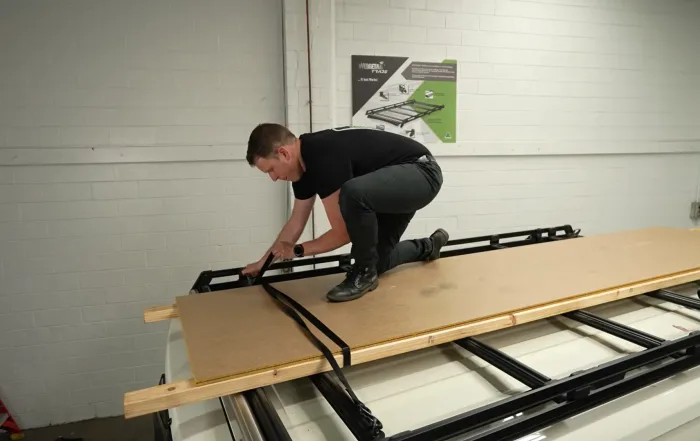
How To: Load Long Materials on a Roof Rack
Posts, beams, pipe, sheets - long materials are bread and butter for a lot of tradies and DIYers, but they don't all load the same way. A length of pipe behaves very differently to [...]

Wedgetail at the National 4×4 Outdoors Show 2026
Australia's biggest 4x4 show is coming to Melbourne — and Wedgetail will be there. We're exhibiting at the National 4x4 Outdoors Show from 21–23 August 2026 at the Melbourne Showgrounds. Come and find us [...]
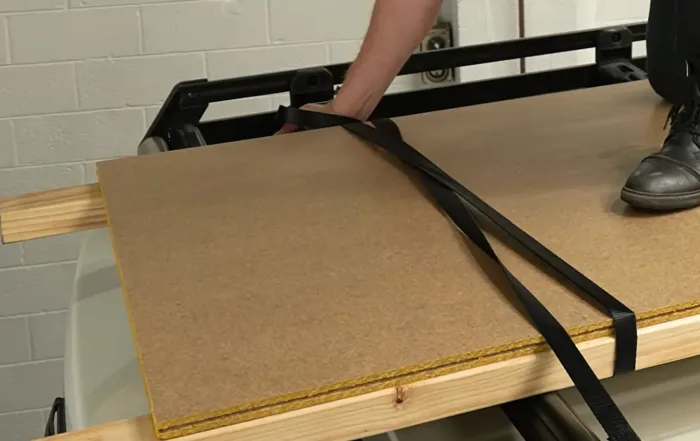
How To: Reduce Wind Humming Using the Strap Slap Method
If you've ever tied flat materials to your roof rack and hit the highway, you'll know the sound - a loud, droning hum or whistle that vibrates through the whole vehicle. It's one of [...]