
Posts, beams, pipe, sheets – long materials are bread and butter for a lot of tradies and DIYers, but they don’t all load the same way. A length of pipe behaves very differently to a sheet of plaster, and treating them the same is where people get into trouble.
Here are a couple of pro tips for carrying long materials safely.
Low-Profile Loads: It’s About Weight
If you’re carrying long materials with a small footprint, like posts, beams, pipe, they won’t catch much wind. So the main thing to manage is weight and specifically how much of it sits forward of your last mount.
The 10% Rule
As a general guide: for every 10% of extra length past the end of the rack, take 10% off your weight-carrying capacity.
It’s a simple way to keep the leverage on your front mount within safe limits.
Sheet Materials: It’s About Wind
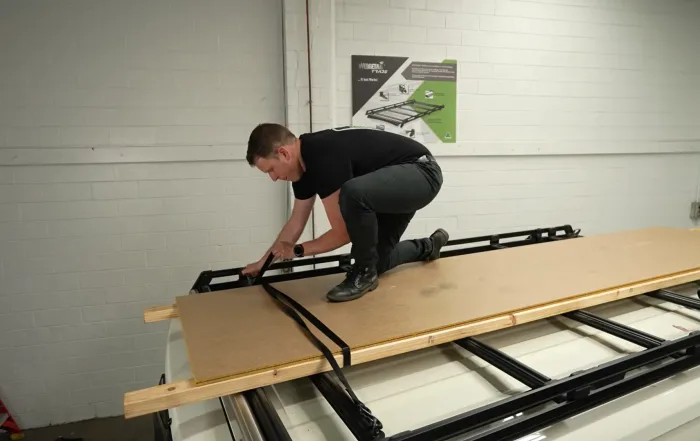
Sheets – plaster, flooring, ply – are a different story. The surface area catching wind is massive, and that puts serious strain on your rack at speed. Three things to get right:
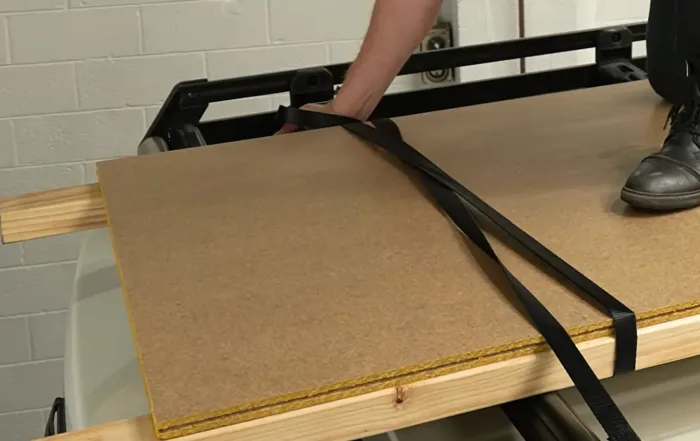
- Secure it thoroughly: Strap it well all the way along the roof rack, not just at the ends
- Support breakable materials: Plaster and similar need something underneath to support them along their length so they don’t crack
- Keep the overhang sensible: For solid materials, don’t go much more than 900mm past the end of the rack to limit the strain on the front
Load Smart, Travel Safe
The key is matching your approach to the material. Low-profile loads are a weight-and-leverage, while sheets are a wind-and-support problem. Respect both, strap properly and keep your overhang in check, and you’ll carry long materials confidently without punishing your rack.
SHARE THIS STORY
RECENT NEWS
How To: Load Long Materials on a Roof Rack
Posts, beams, pipe, sheets - long materials are bread and butter for a lot of tradies and DIYers, but they don't all load the same way. A length of pipe behaves very differently to [...]

Wedgetail at the National 4×4 Outdoors Show 2026
Australia's biggest 4x4 show is coming to Melbourne — and Wedgetail will be there. We're exhibiting at the National 4x4 Outdoors Show from 21–23 August 2026 at the Melbourne Showgrounds. Come and find us [...]
How To: Reduce Wind Humming Using the Strap Slap Method
If you've ever tied flat materials to your roof rack and hit the highway, you'll know the sound - a loud, droning hum or whistle that vibrates through the whole vehicle. It's one of [...]